
When someone is living in your Middlesex County or Edison house without your permission, it can feel like you’re stuck, especially if you need to sell. You’re not alone. A former tenant who stayed after a lease ended, a relative who won’t move out, or a stranger in a vacant home can leave owners unsure what to do next.
In many cases, you can sell a house while someone is still living there. But the occupant’s status matters, and selling the property does not automatically make that person leave. Understanding the difference between a tenant and a squatter can help you consider your options and avoid adding legal trouble to an already stressful situation.
Is the person a squatter or a holdover tenant?
People often use “squatter” to mean anyone in a home who won’t leave. Legally, the facts may be more complicated.
A squatter generally means someone occupying a property without the owner’s permission and without a lease or other right to live there. A holdover tenant is someone who began as a tenant, often with a lease or rental agreement, but stayed after the tenancy ended or was supposed to end.
A relative, guest, roommate, or former tenant may also have been given permission to stay at some point. Details such as rent payments, messages, keys, and prior agreements can affect how the situation is treated. The label alone doesn’t determine the right process.
New Jersey is strongly protective of residential tenants. Even when you believe someone has no right to remain, the appropriate way to regain possession may depend on the facts. The New Jersey Courts landlord-tenant information explains the court process. For advice about your specific situation, speak with a New Jersey landlord-tenant attorney. If you believe there has been a break-in or there’s an immediate safety concern, contact local law enforcement.
What should you avoid doing to make someone leave?
Don’t try to force the person out yourself. Changing locks, removing belongings, threatening the occupant, or shutting off utilities can create legal problems for the owner. The New Jersey Courts identify changing locks and shutting off essential services as examples of an illegal lockout.
Even if you’re confident the person is a squatter, don’t assume that taking matters into your own hands is safe. Keep communications factual, save relevant records, and ask an attorney or local law enforcement what steps are appropriate.
Why can a traditional sale be difficult with someone inside?
Selling a home with an occupant isn’t always impossible, but it can make a traditional listing harder to manage.
- Showings may be difficult. You may not have reliable access to the property, and arranging visits can be uncomfortable or impractical.
- Buyers may hesitate. Some buyers want vacant possession at closing. A mortgage lender may also have requirements that are difficult to meet when occupancy is unresolved.
- A deal can fall through. A buyer may reconsider after learning the person won’t leave or after access and inspection issues arise.
- Damage and cleanout costs can add up. Repairs, belongings left behind, or damage caused by the occupant can complicate preparing the home for sale.
Be upfront about who is living in the property and what you know about their status. Your disclosure duties can depend on the facts, so ask a New Jersey real estate attorney or other qualified professional what applies to you. Don’t conceal the situation from a potential buyer.

Can you sell the house before the occupant leaves?
Generally, you can explore selling a property while it’s occupied. The sale itself, however, does not resolve the occupant’s right to stay or replace any court process that may be required. A buyer needs to understand the situation before deciding whether to make an offer.
Depending on your timeline, you could talk with an attorney about the occupancy issue while comparing sale options. If you’re thinking, “I need to sell my house fast in NJ,” you don’t necessarily have to wait until every question is settled before learning what a buyer might consider. Be prepared to explain the occupant’s history, any lease or agreement, access limitations, and any notices or court proceedings.
Document what you know. Useful records may include:
- A lease, written agreement, or messages about permission to stay
- Rent records or communications about payments
- Photos of the property’s condition and any visible damage
- Copies of notices, court documents, or communications with the occupant
- Information about whether the occupant will allow access
Keep copies somewhere secure. Don’t enter or remove belongings in a way that could create a safety or legal issue.
Could an as-is cash sale be an option?
For some homeowners, a direct cash sale is worth comparing with a traditional listing. It may reduce the need to repair or clean the house, coordinate repeated showings, or wait for a buyer’s mortgage approval. But every buyer has their own process, and an occupied property can affect access, review, and closing arrangements.
At Middlesex Home Buyers, we evaluate houses as-is, including homes that need repairs or cleaning. If you’re looking for cash home buyers in New Jersey, tell us clearly that someone is living in the property and describe what you know about the situation. That gives us a chance to understand the details before discussing an offer.
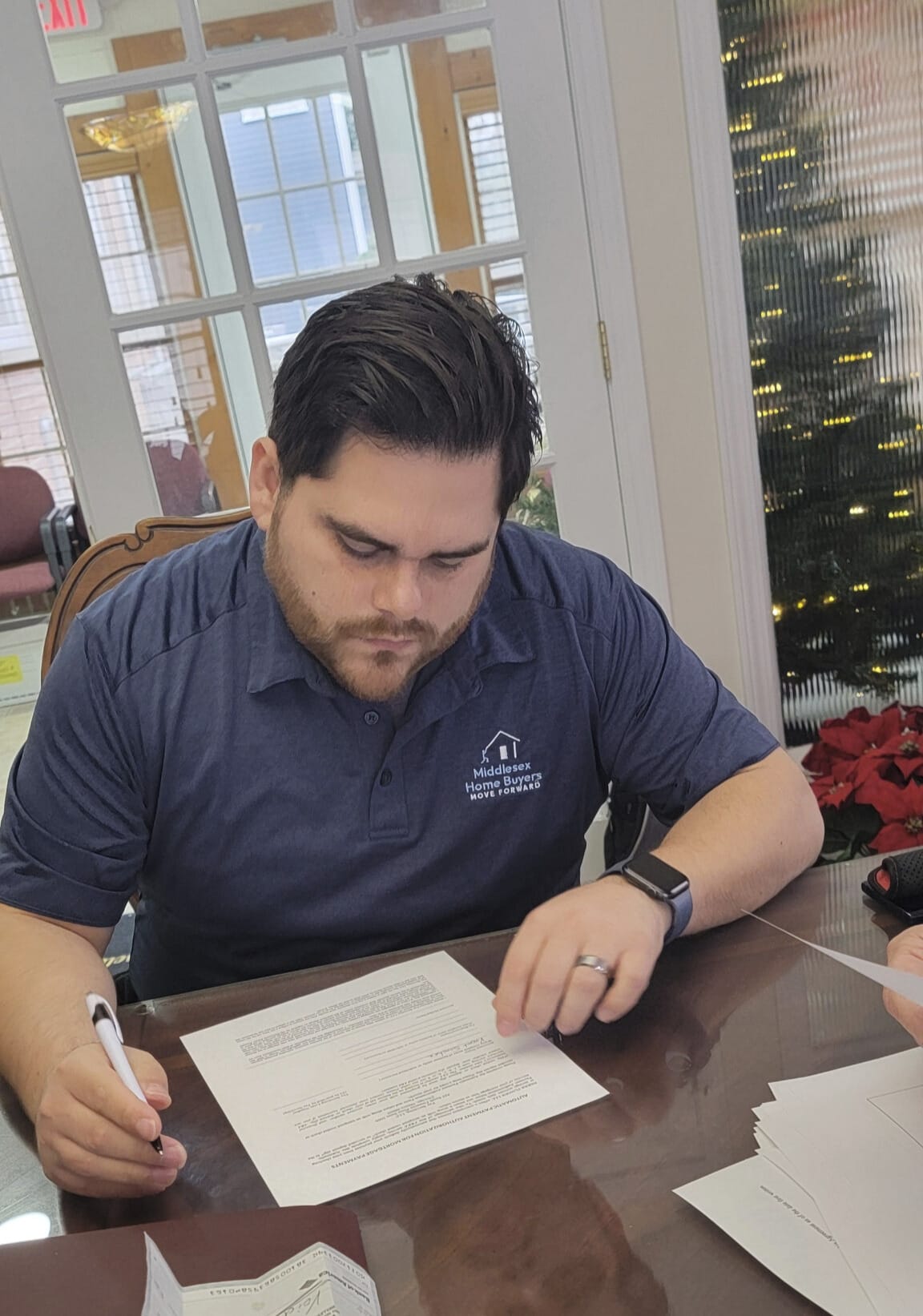
Here’s how our process generally works:
- Share the property details. Tell us where the house is, its condition, who is occupying it, and any known access or legal concerns.
- Review a fair cash offer. We can provide an offer within 24 hours. There’s no obligation to accept.
- Choose a closing date if you move forward. We can close in as little as 7 days or work with your timeline, depending on the property and transaction details.
We buy houses as-is, so you don’t need to make repairs or clean the house before requesting an offer. We pay closing costs, and there are no agent commissions. We consider single-family homes, townhouses, condos, multi-unit properties, and mobile homes.
An occupied property needs an honest conversation. We may need to understand what access is possible and whether any legal or title issues could affect closing. A fast sale is not a substitute for resolving an occupant’s status through the proper process.
If you’re looking to sell a house as-is in NJ, this route may be worth comparing with listing the home after addressing the occupancy issue. Ask what the offer includes, what closing costs the buyer covers, and whether the proposed closing date depends on any outstanding issue.
What if you want to sell my house fast in Edison, NJ?
Homeowners searching for sell my house fast Edison NJ, we buy houses NJ, or cash home buyers Middlesex County NJ may be weighing speed against the uncertainty of an occupied home. The same basic steps apply in Edison as elsewhere in New Jersey: document the facts, avoid self-help eviction, get legal guidance on the removal process, and be transparent with any prospective buyer.
Middlesex Home Buyers purchases homes throughout New Jersey. If you’re comparing cash home buyers NJ or cash home buyers New Jersey, consider more than the offer amount. Ask about closing costs, commissions, repairs, cleanout, access, and the timeline. A cash offer can provide another option to consider, but it may not be right for every property or seller.

What’s a practical next step?
You don’t have to decide today whether to list the home or sell directly. Start by getting clarity on the occupant’s status from a New Jersey landlord-tenant attorney, and gather the property records you have. Then compare what each sale option would require and whether it fits your timeline.
If you’re ready to explore a cash sale, visit Middlesex Home Buyers. You can ask about a no-obligation offer without committing to move forward. We buy houses as-is, can make a fair all-cash offer within 24 hours, pay closing costs, charge no agent commissions, and can close in as little as 7 days or on your timeline, depending on the situation.
Having someone in your property can make the next step feel uncertain, but you’re not alone. There are options, and getting information can help you move forward with more control and certainty.
