
When you're managing a rental property in New Jersey and the late-night maintenance calls, tenant disputes, and property tax bills become too much: selling sounds like the obvious answer. But then you start researching the process and realize it's not simple at all.
You're not alone. We hear from landlords every week who are exhausted, overwhelmed, and just want out.
The good news? You have options. The challenge? New Jersey has some of the strongest tenant protection laws in the country, and they make selling a rental property more complicated than selling your own home.
Why Selling a Rental Property in NJ Isn't Like Selling Your House
Here's the reality: you cannot simply evict tenants because you want to sell. That's the law in New Jersey.
If your tenants have an active lease, they have the right to stay until it expires. Even if you find a buyer tomorrow, those lease agreements remain valid after the property changes ownership. The new owner steps into your shoes and inherits those tenant relationships.
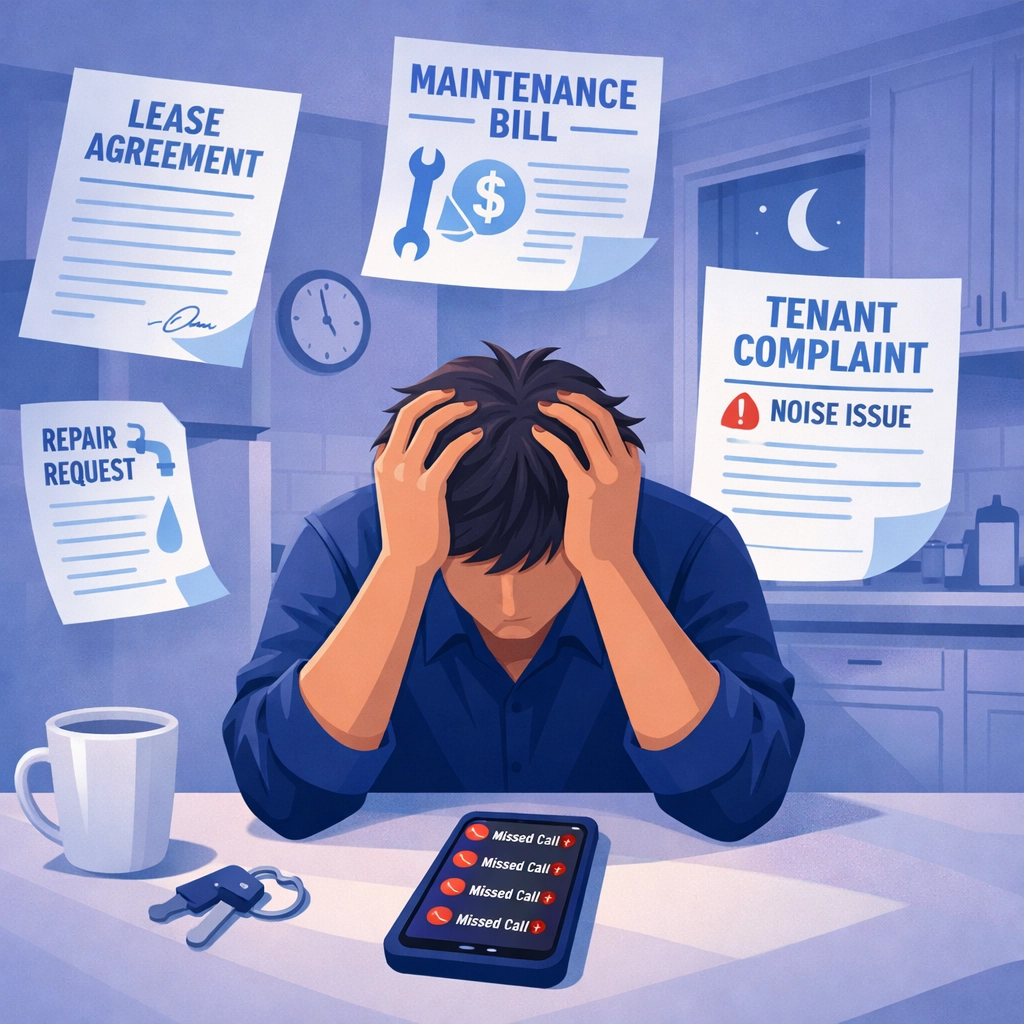
This can feel like being stuck between a rock and a hard place: you want to move on, but you're legally obligated to honor existing agreements.
Your Two Main Options for Selling
Depending on your situation and timeline, you'll need to choose one of these paths:
Option 1: Sell with tenants in place
The tenants stay. They continue paying rent right up to closing. All lease obligations transfer to the buyer. This is often the faster option if you have good tenants with active leases and you need to sell quickly.
Option 2: Remove tenants before closing
This requires either waiting for fixed-term leases to expire or negotiating relocation agreements with month-to-month tenants. For month-to-month tenants, you'll need to provide proper notice: typically 30 days minimum, but some municipalities require more.
If you go this route, a relocation assistance agreement should spell out the vacate date, any financial compensation, the condition you expect the property to be left in, and key return procedures.
Neither option is fast or simple when you're doing it the traditional way.
The Documentation Nightmare
Once you decide to sell, you'll need to gather extensive documentation for potential buyers. New Jersey law requires comprehensive disclosure about existing tenancies.
Here's what you're looking at:
- All current lease agreements with complete terms
- Security deposit amounts held (including accrued interest: New Jersey requires deposits in interest-bearing accounts)
- Rent roll documentation showing units, tenants, lease terms, monthly rent, security deposits, and payment histories
- Any pending disputes or lease violations
- Property Disclosure Statement covering known defects and tenant information
- Real Estate Purchase Agreement that specifically addresses how tenant leases will be handled
- Security Deposit Transfer Agreement formalizing the transfer of deposits and interest
After closing, you're also required to notify all tenants in writing about the new owner and where to send future rent payments.
That's a lot of paperwork on an already full plate.
Special Local Requirements Add Another Layer
Some New Jersey municipalities have additional rules you'll need to navigate.
Cities like New Brunswick have Rent Control Boards that regulate rent increases. Both New Brunswick and Princeton require landlord registration of rental properties. When you sell a property in these areas, the new owner must file a new registration statement within 30 days of transfer.
Missing these local requirements can delay your sale or create legal issues down the road.
The Traditional Timeline
If you go the traditional real estate route with an agent, here's what you're looking at:
Days 1-7: Decide whether to sell with or without tenants, then prepare and deliver notice to tenants of your intent to sell.
Weeks 1-4: Get the property ready for showings (which means coordinating with tenants), determine pricing, and list with a real estate agent.
Weeks 5-6: Market the property and review offers. This can be tricky: you need buyers who are either interested in continuing as landlords or willing to wait for tenants to leave.
Weeks 7-10: Due diligence period where the buyer inspects the property and negotiates repairs.
Day 40+: Closing, followed by notifying tenants of new ownership and handling tax filings.
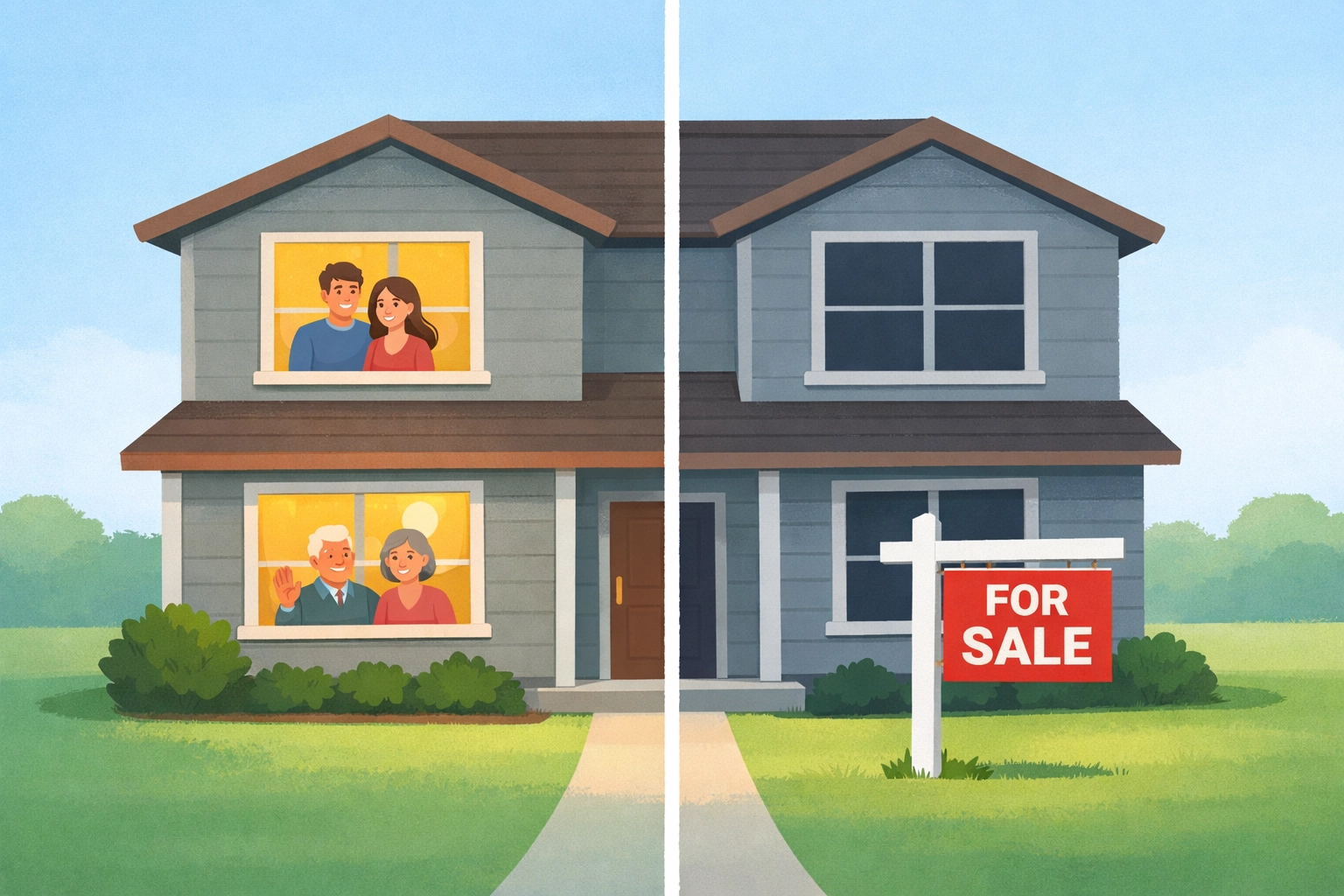
That's roughly three months if everything goes smoothly. And let's be honest: when does everything go smoothly with rental properties?
Tax Implications You Can't Ignore
Selling a rental property comes with capital gains tax implications that don't apply to selling your primary residence.
You'll need to report the sale on your tax return and potentially file Form 1099-S. Keep all closing documents, improvement receipts, and depreciation records for at least six years.
Some landlords explore a Section 1031 Exchange to defer capital gains tax by purchasing another rental property of equal or greater value. This requires working with a qualified intermediary and following strict IRS timelines: more complexity, more stress.
What If You Could Skip All of This?
Here's where Middlesex Home Buyers offers a different option.
We buy rental properties as-is, with tenants in place. No need to coordinate showings. No repairs. No waiting for leases to expire. No navigating complex documentation requirements or worrying about local registration rules.

We handle the tenant situation: whether that means taking over existing leases or working with tenants on transition plans. You don't have to have those awkward conversations or negotiate relocation packages.
The timeline? We can often close in as little as 7 days once you accept our offer. That's not three months of stress: that's certainty within a week.
When This Makes Sense for Tired Landlords
This approach works well if you're dealing with:
- Difficult tenants you no longer want to manage
- Properties that need repairs you don't want to make
- Inherited rental properties you never wanted in the first place
- Out-of-state properties you're managing from a distance
- Financial pressure from property taxes piling up or other expenses
- Life changes that make being a landlord impossible: health issues, relocation, divorce, or simply wanting to retire from the landlord business
We've worked with landlords throughout Middlesex County, Essex County, Union County, and beyond who just needed to move forward with certainty.
What to Consider Before Deciding
Selling to a cash buyer typically means accepting a lower price than you might get on the open market with an agent. That's the trade-off for speed, convenience, and not dealing with repairs or tenant coordination.
Whether that trade-off makes sense depends on your situation. If you have time, good tenants, and a property in great condition, the traditional route might maximize your profit. If you're exhausted, need to sell quickly, or have tenant issues, the certainty of a fast cash sale might be worth more than squeezing out every dollar.
Moving Forward with Clarity
Being a landlord in New Jersey isn't what it used to be. Regulations get stricter. Tenants know their rights. Maintenance costs keep rising. Property taxes in many areas have become overwhelming.
If you're tired of the hassle and ready to sell your rental property, you don't have to navigate New Jersey's complex tenant laws and lengthy traditional sale process alone.
You have options. Take the time to understand what makes sense for your specific timeline and circumstances.
When you're ready to explore a faster, simpler path: one where you can sell as-is, with tenants, and close on your schedule: we're here. No obligation. No pressure. Just a straightforward conversation about your property and your goals.
Because sometimes the best investment decision is knowing when it's time to move on.
