
When someone passes away and leaves you property in New Jersey, the emotions can be overwhelming. You're dealing with loss, and now you've got a house in Edison, Woodbridge, or somewhere else in Middlesex County that needs your attention. Maybe it needs repairs. Maybe there are multiple heirs involved. Maybe you're just not sure where to start.
You're not alone. We've worked with countless families navigating the process of selling an inherited house in New Jersey, and the good news is that you have options: even if the property needs work or probate feels complicated.
Here are 10 things you should know before you sell an inherited house in NJ.
1. Probate Is Usually Required First
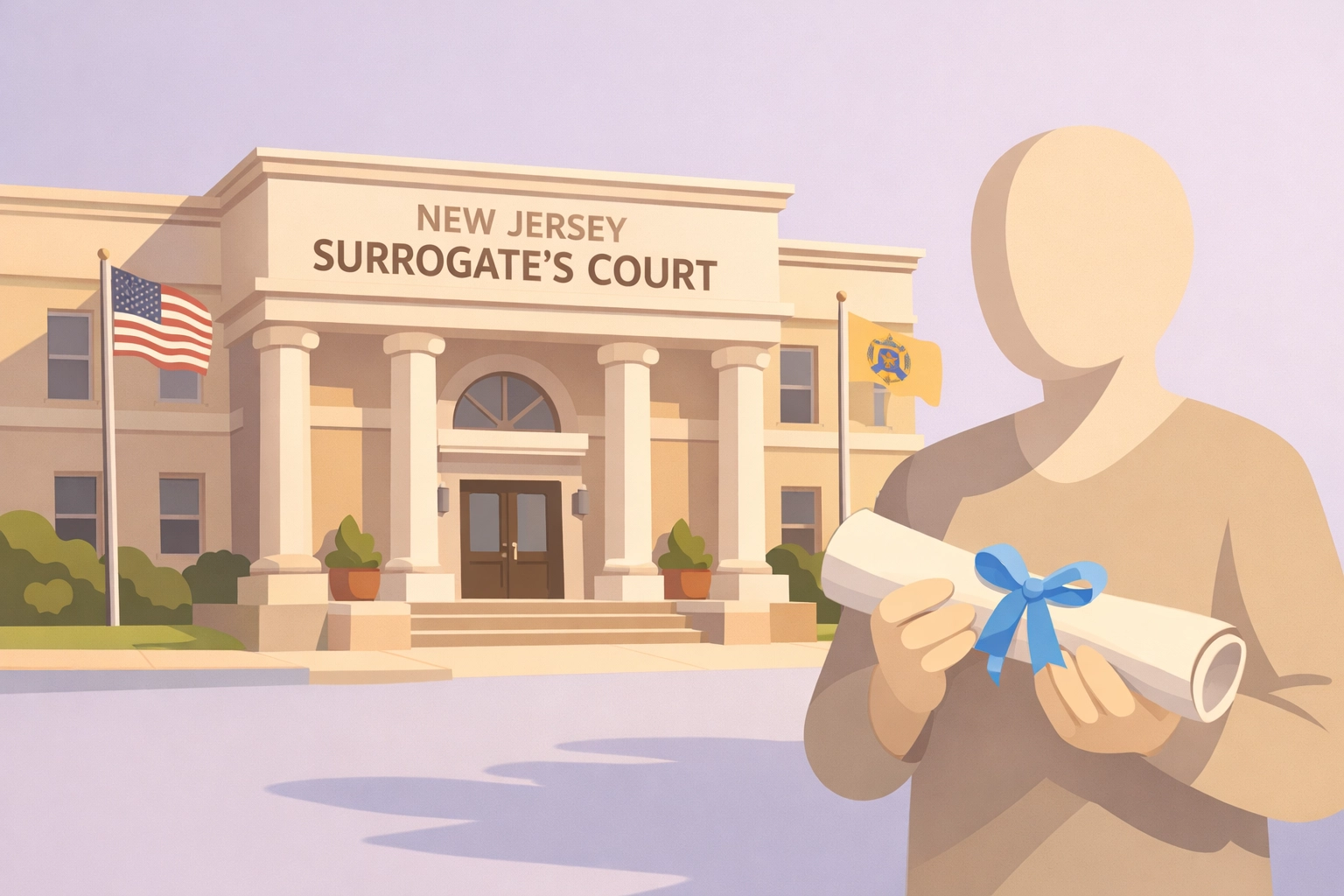
If the deceased person owned the home solely in their name and it wasn't held in a trust, you'll need to go through probate before you can legally sell inherited house nj. The Surrogate's Court in your county will appoint an executor or administrator who has the legal authority to handle the estate: including selling the property.
Without completing this step, you can't sign a sales contract or transfer the deed. It's a legal requirement, not optional.
2. Probate Takes Time: Often 6 to 12 Months
The probate process in New Jersey typically takes six months to a year, depending on your county. If there are missing documents, creditor claims, or disputes between heirs, it can take even longer.
This timeline can feel frustrating when you're paying property taxes, utilities, and maintenance costs on a house you're not living in. But understanding the timeline upfront helps you plan accordingly.
3. You Cannot Sell Until Probate Is Complete
In most cases, the property cannot close until the executor or administrator has been formally appointed by the Surrogate's Court. You lack legal authority to sign a sales contract without this authorization.
However, you can start preparing the house for sale during probate. You can get estimates, explore your options, and even accept an offer: but the actual closing will need to wait until probate wraps up.
4. All Heirs Must Agree on the Sale
If you inherited the property with siblings or other family members, everyone needs to agree on selling it. The executor has a fiduciary duty to act in the best interest of all heirs, which means decisions can't be made unilaterally.
This is where things can get complicated. Families often disagree about selling a home: one person may want to keep it, another may need the cash quickly, and someone else might want to renovate first.
If reaching agreement feels impossible, selling to a cash home buyers nj company can sometimes offer a middle-ground solution. It's fast, there are no repairs required, and the process is straightforward: which can help reduce conflict.
5. You Have Three Main Selling Options
When you're ready to sell, you generally have three paths:
List with a real estate agent – This approach can maximize your sale price, but it takes time. You'll likely need to make repairs, stage the property, and wait for the right buyer. Agent commissions typically run 5-6% of the sale price.
Sell as-is to a cash buyer – Companies like Middlesex Home Buyers purchase homes in any condition. No repairs, no showings, no waiting months for a buyer. You get a fair cash offer and can close on your timeline.
Sell by owner (FSBO) – You can save on agent fees, but you'll handle marketing, showings, negotiations, and paperwork yourself. It's a significant time commitment.
Depending on your situation, one option may make more sense than the others.

6. Specific Documents Are Essential for the Sale
Before you can close on the sale, you'll need to gather several documents:
- Letters of administration or letters testamentary from the Surrogate's Court
- Proof of inheritance
- Property title and deed
- Previous deeds
- Title search or title insurance
- Property tax documents
- Estate tax returns (if applicable)
- Mortgage payoff documents (if there's still a loan on the property)
A real estate attorney can help ensure all your paperwork is in order. New Jersey has strict disclosure rules, so working with professionals is highly recommended.
7. The Step-Up in Basis Rule Can Reduce Your Tax Burden
Here's a tax advantage most heirs don't know about: the step-up in basis rule.
When you inherit property, the IRS adjusts the property's value to its fair market value at the time of death: not the original purchase price. This can significantly reduce your capital gains tax when you sell.
For example, if your parents bought the house in 1985 for $80,000, but it's worth $350,000 when you inherit it, your basis is $350,000. If you sell for $360,000, you'd only pay capital gains tax on $10,000: not $280,000.
This is one reason why selling an inherited home can be less costly than you might think.
8. You Can Sell As-Is, But Disclosures Are Required
New Jersey law allows you to sell a house as-is in Middlesex County, which means the buyer accepts the property in its current condition. This is common for inherited homes that need repairs or updates.
However, you're still required to disclose known material defects to buyers. If you know the roof leaks or there's mold in the basement, you must share that information.
We buy houses new jersey companies typically handle these issues without requiring you to make repairs or disclosures beyond what's legally required. They assess the property, factor in needed repairs, and make an offer accordingly.

9. Inheritance Tax May Apply
While close relatives like spouses, children, and parents are often exempt, you should check whether inheritance tax applies to your situation. New Jersey requires an inheritance tax return to be filed within eight months of death.
The tax rate varies depending on your relationship to the deceased. Siblings, for example, may face a higher rate than children. Your estate attorney or tax professional can help clarify what applies in your case.
10. Real Estate Professionals Are Highly Recommended
Selling an inherited property involves more moving parts than a typical home sale. Between probate, disclosures, title issues, and potential tax implications, having experienced professionals on your side makes a real difference.
A real estate attorney ensures all paperwork is compliant with New Jersey laws. If you're working with a cash buyer, they often have in-house resources to guide you through the process and can recommend attorneys if needed.
The earlier you understand your options, the more control you have over your timeline and outcome.
Moving Forward With Clarity
Inheriting a house in Middlesex County, Edison, or anywhere in New Jersey comes with challenges: but it also comes with choices. Whether you want to take your time with a traditional sale or sell my house fast nj to a cash buyer, understanding the probate process, tax implications, and legal requirements puts you in a stronger position.
If you're weighing your options and want to explore what a fair cash offer looks like, Middlesex Home Buyers works with families throughout New Jersey. We buy houses in any condition, cover closing costs, and work on your timeline: even during probate.
Learn more about selling your house for cash fast or reach out when you're ready to explore your options. There's no obligation, and we're here to provide clarity during a complicated time.
