
When a lien appears on a house in Edison or elsewhere in Middlesex County, it can make an already stressful move feel uncertain. You may be wondering whether you can still sell, how the lien will be handled, and whether it could delay closing.
You’re not alone. Homeowners encounter liens after unpaid property taxes, a contractor dispute, a judgment, or other financial changes. In many cases, a sale is still possible, but what happens depends on the type of lien, the title review, and the available sale proceeds.
Can you sell a house with a lien in New Jersey?
Often, yes. A lien does not automatically mean you cannot sell your home. But it can affect the title, the closing process, and how much money you receive from the sale.
Before a typical sale can close, the title company and closing professionals need to determine what claims appear against the property or owner and how they must be addressed. Depending on the lien, that may involve paying it from the sale proceeds, obtaining a release, negotiating a payoff, or taking another step agreed to by the relevant parties.
A cash offer does not automatically remove, pay off, or resolve a lien. The lien must be reviewed and handled through the closing process.
What kinds of liens can affect a Middlesex County home?
A lien is a legal claim connected to a debt or obligation. Some liens attach to real estate; others may affect an owner’s ability to transfer clear title. The details depend on the underlying claim and applicable records.
Common examples include:
- Mortgage liens: The lender generally provides a payoff figure, which is often paid at closing.
- Property-tax or municipal liens: Unpaid taxes and certain municipal charges may need to be settled. A tax-sale certificate can involve additional steps.
- Judgment liens: A court judgment may affect a debtor’s real estate. The NJ Courts judgment lien search is one public resource, but it is not a substitute for a title review.
- Mechanic’s or construction liens: A contractor or other eligible party may claim payment for work or materials. The New Jersey statute on discharging, subordinating, or releasing a lien claim describes recording requirements for those actions.
- Federal or state tax liens: These may require specific payoff and release procedures with the relevant agency.
- HOA or condominium claims: Unpaid association charges may need to be verified and addressed, depending on the property and claim.
A notice, bill, or online search result does not always show the full status or payoff amount. The lienholder, attorney, and title professional can help verify what is recorded and what is required.
How are liens usually addressed at closing?
The title review sets the direction. Here’s how the process often works:
- Share what you know. Tell your real estate attorney and title company about mortgages, unpaid taxes, contractor disputes, judgments, association balances, and any notices you have received. Mentioning them early can help avoid surprises later.
- Review the title records. A title professional examines relevant records and may request information from municipal offices, lenders, associations, or other parties. Middlesex County provides access to land records. The County Clerk’s office records documents and offers public record access; it does not perform a complete title search or determine how a particular lien must be resolved.
- Request written payoff or release information. The required steps depend on the lien. For example, a mortgage lender may provide a current payoff statement, while another creditor may need to provide its own payoff terms or release documentation.
- Confirm the numbers and closing requirements. The closing team checks whether expected proceeds can cover agreed lien payoffs and other transaction costs. If the sale proceeds are not enough, you may need to discuss other options with your attorney and the lienholder.
- Disburse funds and record documents. When all parties are ready to close, the closing agent handles payments and required documents under the agreed instructions. A release or discharge may need to be recorded to update the public record.
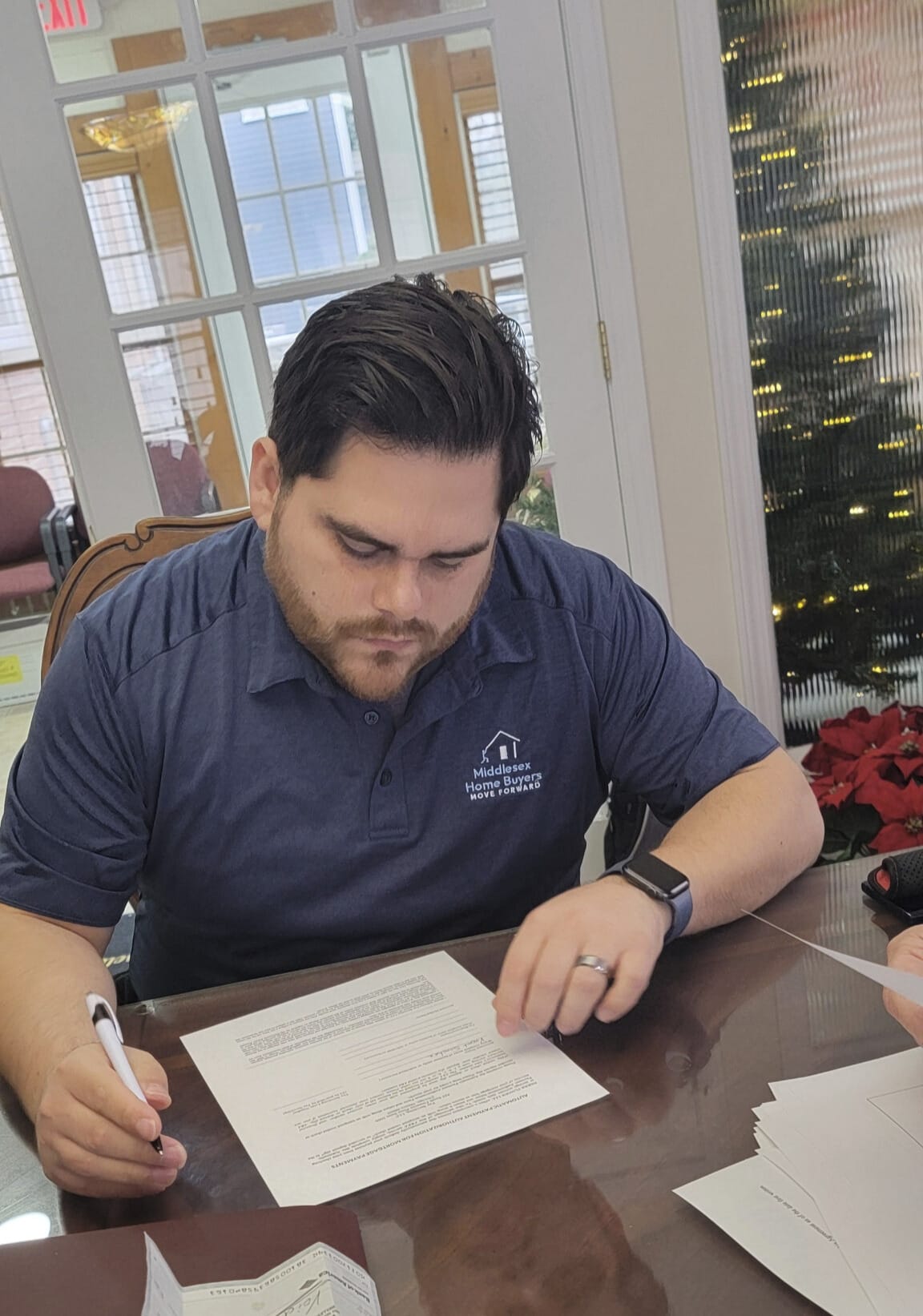
The exact outcome depends on the lien and title review. A lien may be paid from proceeds, but that is not automatic. Some claims require negotiations or additional documentation, and not every issue can be resolved on the same timeline.
What if the sale price won’t cover the lien?
This is an important question to address before setting a closing date. If the expected proceeds will not cover the lien and other required costs, the closing team may need to explore whether the lienholder will accept different terms or whether another solution is available.
Depending on your situation, options may include bringing additional funds, negotiating a payoff with the lienholder, or delaying the closing while a dispute or title issue is reviewed. Whether any option is available depends on the lien, the parties involved, and the facts of the sale.
If you have received a tax-sale, foreclosure, court, or other legal notice, speak with a qualified New Jersey real estate attorney promptly. This article provides general information, not legal or tax advice.
Does selling as-is change how a lien is handled?
No. Selling as-is is about the property’s condition. It can mean you do not need to make repairs or clean the house for the buyer, but it does not erase title requirements or settle a debt.
If you’re looking for a way to sell your house fast in NJ, compare the full process, not just the proposed price. Ask how the title review will be coordinated, who handles the lien payoff documentation, what costs are included, and what happens if the lien details change before closing. Those are useful questions whether you’re considering a traditional listing or speaking with cash home buyers in NJ.
Middlesex Home Buyers can provide a fair all-cash offer within 24 hours. We buy homes as-is, with no repairs or cleaning required, pay closing costs, and have no agent commissions. A closing may be possible in as little as 7 days or on your timeline, subject to title review and any lien-related requirements. An offer does not guarantee that a lien can be resolved or that a particular closing date will be available.
What should you do first in Edison or Middlesex County?
Start by gathering any mortgage statements, tax notices, court papers, contractor invoices, or association letters related to the property. Then ask a New Jersey real estate attorney or title professional to review the lien and explain what information or documents are needed.
The Middlesex County Clerk’s land-record information and the NJ Courts judgment lien search can be useful starting points. They do not replace a professional title review, and some claims may require checking other sources or contacting the lienholder directly.
If your home needs work, that is a separate issue from the lien. You can explore what it means to sell a house as-is in NJ while your attorney and title professional review the title questions.
When you’re ready, Middlesex Home Buyers can discuss your property, provide a no-obligation offer, and explain our process. You can request more information without committing to sell. A lien can add steps, but you still have options, and getting clear information early can help you move forward with more certainty.
